

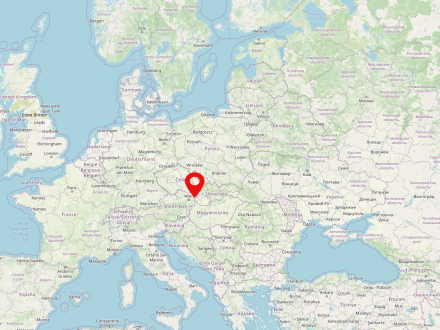
Bratislava (German: Pressburg) is the capital of Slovakia and is home to approximately 438,000 people. The city is located in the southwest of the country and borders Hungary and Austria. Bratislava is located on the Danube River and the Theban Carpathians.
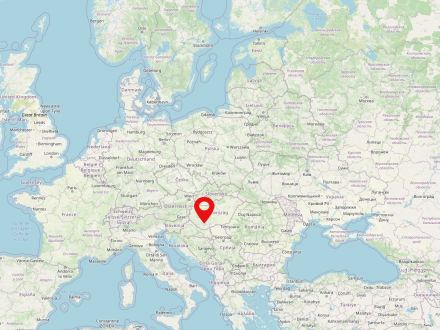
Pécs is a large Hungarian city in the south of the country. It is inhabited by 157,000 people and is the seat of Baranya County in the South Transdanubian region.

Sarajevo is the capital of Bosnia and Herzegovina. It is inhabited by about 290,000 people and is the only metropolis of the country.
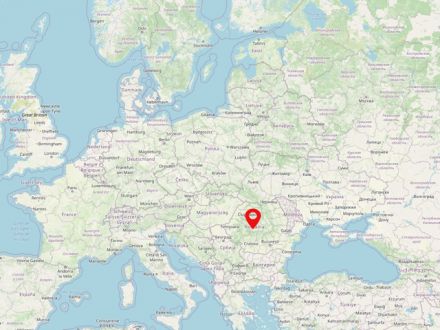
Sibiu (rom. Sibiu, hung. Nagyszeben) is a city in central Romania. With almost 147,000 inhabitants it is the capital of the Sibiu County. It is located in the historical region of Transylvania and is an important place of the German speaking minority of the Transylvanian Saxons. Sibiu is located about 275 km northeast of Bucharest, the capital of Romania.
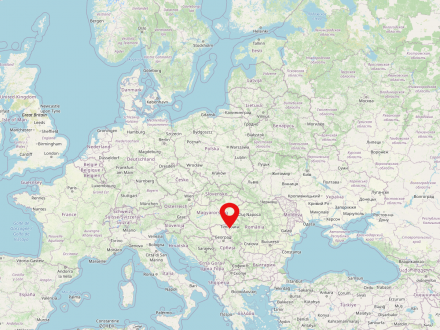
Timișoara is a large city in western Romania, not far from the borders with Serbia and Hungary. It was a settlement center of the German-speaking Danube Swabians until World War II. Timișoara has just under 320,000 inhabitants.
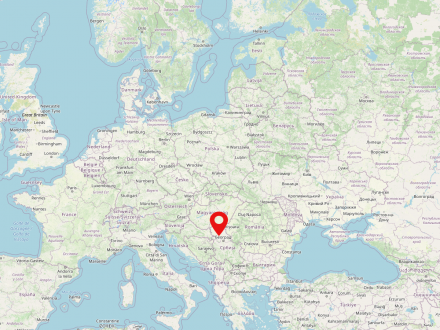
Novi Sad (German: Neusatz) is a large city in the north of Serbia. The city is home to 230,000 people, making Novi Sad the country's second largest city. It is the capital of the Vojvodina region and is located at the mouth of the Little Batschka Canal into the Danube.
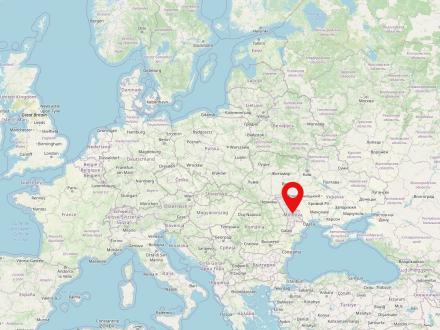
Chișinău is the capital of the Republic of Moldova. In the city live almost 530,000 inhabitants. It lies in the middle of the country on the river Bâc.
Chișinău is the capital of the Republic of Moldova. In the city live almost 530,000 inhabitants. It lies in the middle of the country on the river Bâc.


