

Magnificent chandeliers, ornamental stuccoed ceilings, and salons filled with music – was aristocratic life in the Baltic really so splendid?
Text
This traveling exhibition presents the architecture, interiors and development of the Baltic manor houses and, through them, also provides insights into the largely German-Baltic aristocratic culture and shows what life and work were like on a Baltic estate. These large properties included farm buildings, warehouses and stables for riding and working animals, as well as living quarters for servants and serfs.
Some of the oldest Baltic manor houses were converted castles of knights. Most of the surviving examples were built in the 19th century in various historic styles – and some of them are still surrounded by parks and landscaped gardens.
The exhibition also looks in detail at the history of the and the fate of the manors after 1900, especially during the Soviet era.
Some of the oldest Baltic manor houses were converted castles of knights. Most of the surviving examples were built in the 19th century in various historic styles – and some of them are still surrounded by parks and landscaped gardens.
The exhibition also looks in detail at the history of the
Baltics
lat. Balticum, deu. Baltikum, deu. Baltische Staaten, deu. Baltische Provinzen
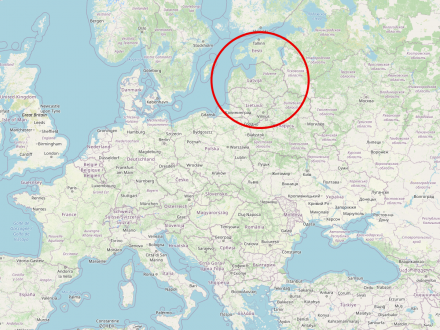
The Baltic States is a region in the north-east of Europe and is composed of the three states Estonia, Latvia and Lithuania. The Baltic States are inhabited by almost 6 million people.

The estates featured in the exhibition and their location in the Russian Baltic provinces; Map: Marc Friede. Herder-Institut für historische Ostmitteleuropaforschung – Institut der Leibniz-Gemeinschaft, Free access - no reuse
The estates featured in the exhibition and their location in the Russian Baltic provinces; Map: Marc Friede. Herder-Institut für historische Ostmitteleuropaforschung – Institut der Leibniz-Gemeinschaft, Free access - no reuse
Externe Links
External Image

External Image


