

He was one of the best-known writers in Berlin during the Weimar period and later a prominent face of exile poetry – yet Max Herrmann-Neisse was largely forgotten after his early death. In order to remedy this, the Martin Opitz Library has opened up a partial estate for posterity, including numerous letters addressed to him by important artists and writers of the time.
Text
Numerous letters to Max Herrmann-Neiße (and some to his wife/widow and others) form part of the estate of the Martin Opitz Library. They have been catalogued in the joint database Kalliope 2014–2019 and each individual item has been provided with a description of its contents. The letters were written by well-known figures in the literature and art worlds with whom the poet was in contact, including Thomas Mann, Hermann Hesse, Stefan Zweig and Else Lasker-Schüler—from Herrmann-Neisse's time in , Berlin and his exile in London until his death in 1941. The union database offers various sorting options and makes it possible to present the correspondents as a network.
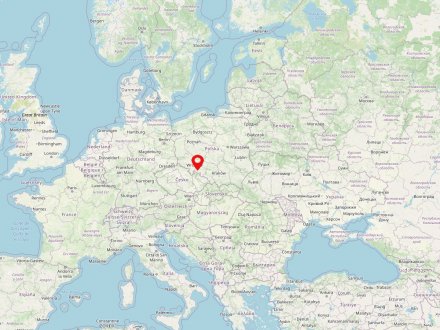
Nysa
deu. Neisse, deu. Neiße
Nysa (German: Neisse) is a city in southwestern Poland with just over 44,000 inhabitants. It is located in Upper Silesia and belonged to the Habsburg Monarchy before 1742, then to Brandenburg-Prussia. The old town, known for its baroque architecture, was largely destroyed during World War II. Since 1945, Nysa has belonged to Poland and is today the seat of the powiat of the same name.
Externe Links
External Image


